

Men's Dress Code Guide 2026: Black Tie, Cocktail, Business Formal & More — Decoded
Every invitation seems to come with a dress code — and half of them may as well be written in code. Cocktail? Black tie optional? Creative black tie? "Festive"? If you've ever stood in front of your closet wondering whether a tie is required or a tuxedo is expected, this guide is for you.
Below, we decode every major men's dress code from the most formal to the most relaxed, explain exactly what to wear (and what to avoid), and show you how to build each look from pieces you can shop right now at Hollywood Suits. Bookmark it — you'll come back before every event.
Men's Dress Codes at a Glance
Dress codes exist on a formality spectrum. Here's the quick reference — from white tie at the top to casual at the bottom.
| Dress Code | The Short Version | Foundation Piece |
|---|---|---|
| White Tie | The most formal dress code that exists. Tailcoat, white bow tie. | Tailcoat / formal tuxedo |
| Black Tie | A tuxedo is required. Black bow tie, no exceptions. | Tuxedo |
| Black Tie Optional | Tuxedo preferred; a dark formal suit is acceptable. | Tuxedo or dark suit |
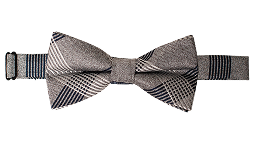
| Creative / Cocktail Black Tie | Tuxedo with personality — colored jacket, velvet, patterned bow tie. | Tuxedo |
| Cocktail Attire | A sharp, tailored suit with a tie. The most common code you'll see. | Suit |
| Semi-Formal | A dark suit and tie; slightly dressier for evening. | Suit |
| Business Formal | Conservative suit, white or light shirt, understated tie. | Suit |
| Business Casual | Blazer or sport coat with dress trousers; tie optional. | Blazer |
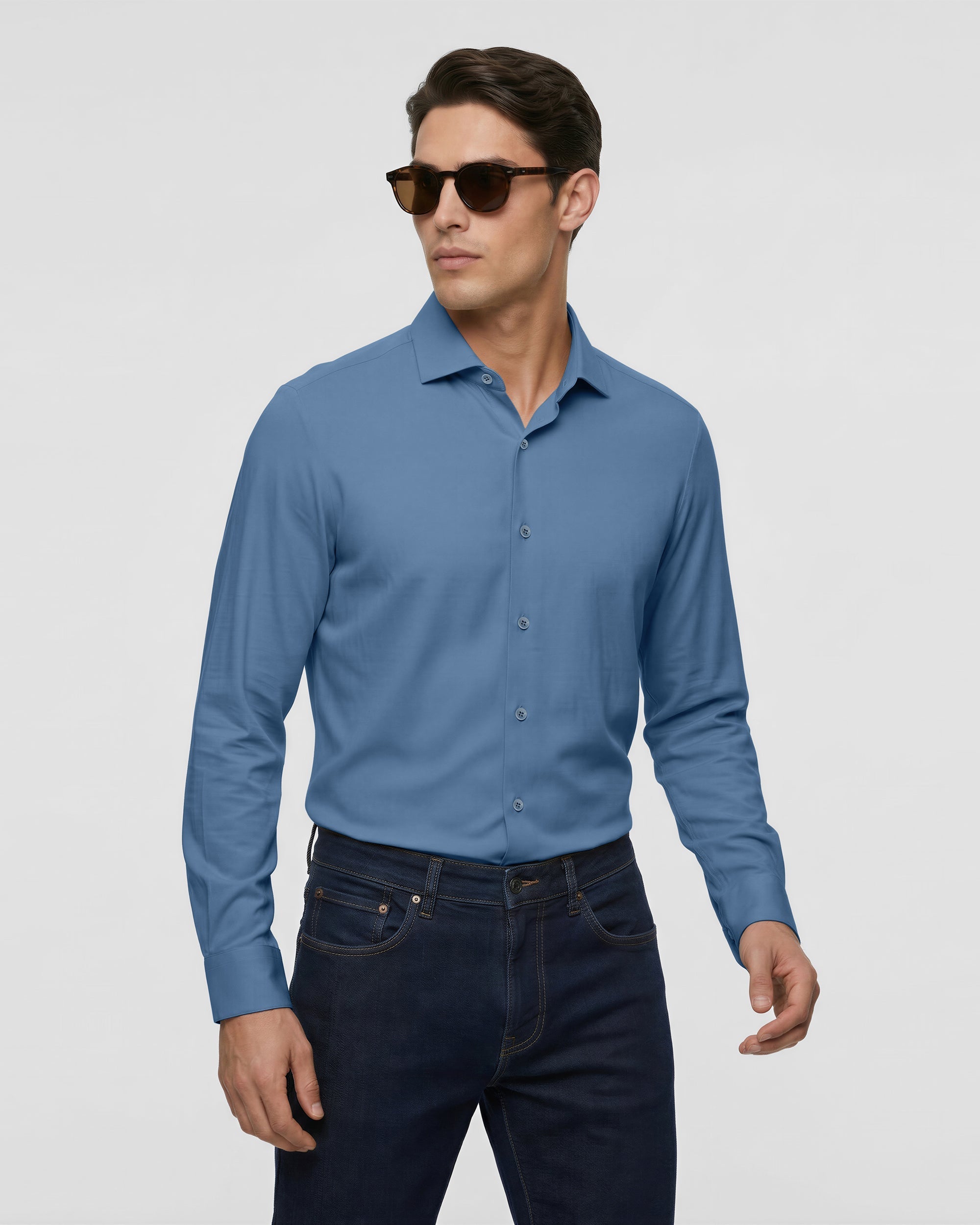
| Smart Casual | Elevated everyday — chinos, a crisp shirt, optional jacket. | Dress shirt |
Now let's break each one down.
White Tie
White tie is the pinnacle of formal dressing — reserved for state dinners, royal events, and the most traditional galas. It calls for a black tailcoat, matching trousers with satin stripes, a white piqué waistcoat, a wing-collar shirt, and a white bow tie. It's rare, and if you're invited to a true white-tie event, the invitation will say so explicitly.
What to wear: A tailcoat ensemble with a white bow tie and white waistcoat.
What to avoid: A standard tuxedo, a black bow tie, or anything less than a full tailcoat.
Black Tie
This is the one most men encounter — evening weddings, galas, and formal fundraisers. Black tie means a tuxedo is required, and it's actually the easiest code to get right because the rules are so clear.

What to wear: A black or midnight-blue tuxedo, a crisp white formal shirt, a black bow tie, black formal shoes, and — if you like — a cummerbund or a vest. Keep accessories minimal and elegant.
What to avoid: A regular business suit, a long tie in place of a bow tie, or brown shoes.
New to tuxedos? Our tuxedo fit and styling guide walks through every detail.
Black Tie Optional
"Optional" is the host's way of saying: a tuxedo would be wonderful, but we won't turn you away in a dark suit. When in doubt at an evening event, a tuxedo is always the safer, sharper choice — but a well-tailored dark suit is completely acceptable.
What to wear: A tuxedo, or a charcoal or navy suit with a white shirt, a conservative silk tie or bow tie, and black dress shoes.
What to avoid: Light-colored or patterned suits, and casual shoes.
Creative & Cocktail Black Tie
An increasingly popular code at weddings, this invites you to keep the black-tie foundation but add personality. Think a midnight-blue or deep-burgundy dinner jacket, a velvet blazer, or a patterned bow tie. In 2026, knit ties and textured jackets are especially popular for this look.

What to wear: A tuxedo or dinner jacket in a rich color, paired with expressive but tasteful accessories.
What to avoid: Anything costume-like, or going so casual you undercut the "black tie" part.
Cocktail Attire
Cocktail is the single most common dress code you'll see on invitations — and the one people most often get wrong. It sits between business formal and black tie: dressier than the office, but not a tuxedo. The answer is almost always a sharp, well-fitted suit and tie.

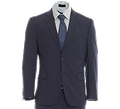
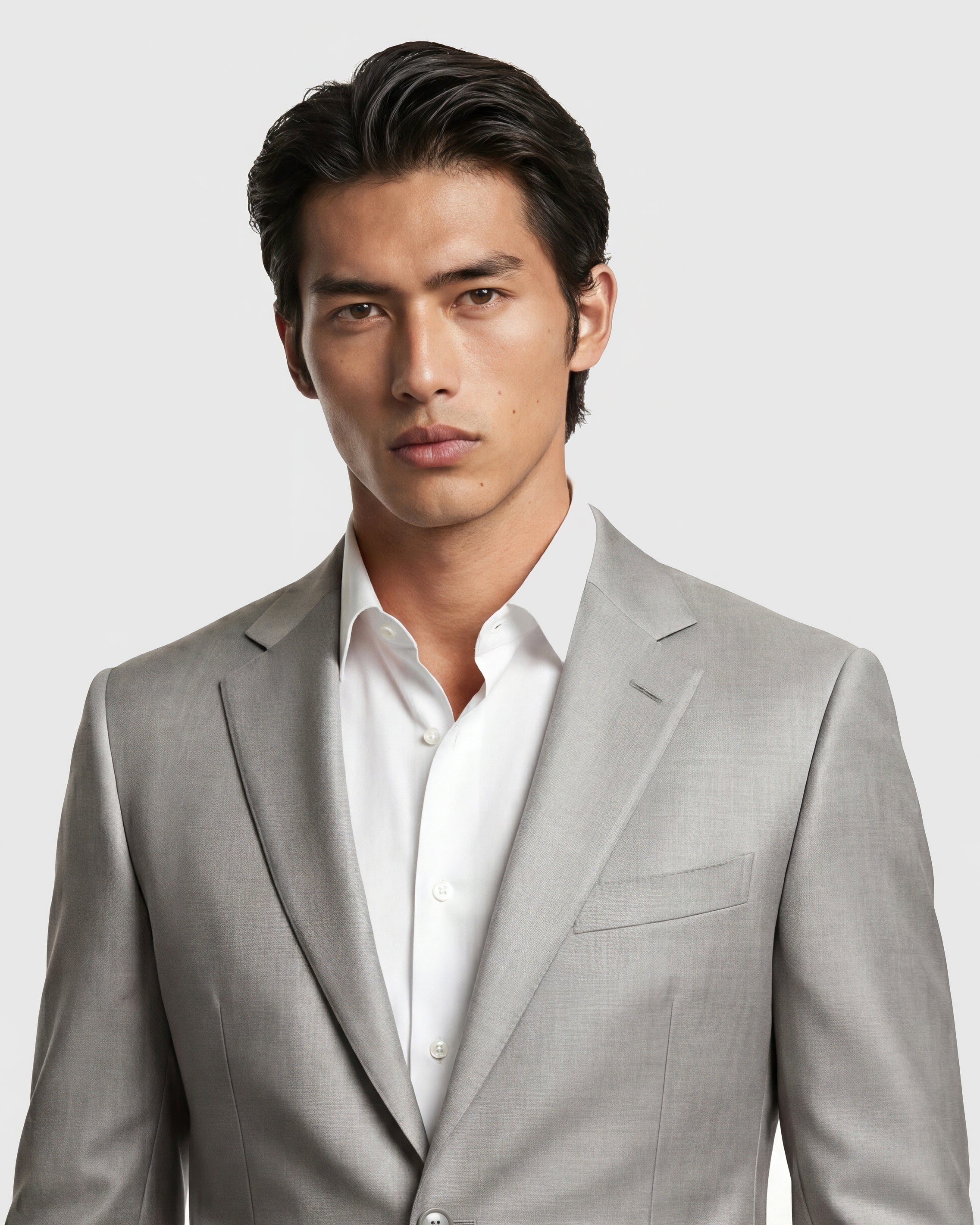
What to wear: A tailored suit in navy, charcoal, or grey; a dress shirt; a tie (feel free to have a little more fun with color and pattern than you would at the office); and leather dress shoes. A navy suit with a white shirt covers virtually any cocktail event correctly.
What to avoid: Skipping the tie, wearing sneakers, or defaulting to an all-black "funeral" look unless the event calls for it.
Semi-Formal
Semi-formal is close cousin to cocktail — a notch less prescriptive. For daytime events, a medium-to-dark suit works beautifully; for evening, lean darker and dressier. A tie is expected.
What to wear: A modern-fit suit in a solid dark color, a dress shirt, and a coordinating tie.
What to avoid: Bright or novelty patterns, and anything you'd wear to a backyard barbecue.
Business Formal (Business Professional)
The dress code for interviews, boardrooms, court, and client-facing roles. The goal is to look competent, polished, and completely uncontroversial.

What to wear: A conservative suit in navy, charcoal, or grey — a tailored fit reads sharp and professional — with a white or light-blue dress shirt, an understated silk tie, and polished black or brown dress shoes.
What to avoid: Loud patterns, flashy accessories, and anything ill-fitting. Fit matters more here than anywhere.
Dressing for an interview? A crisp, correctly-sized suit does more for you than any single other detail — learn how to nail it in our suit fit guide.
Business Casual
The most misinterpreted code in modern offices. Business casual means put-together and professional, minus the full suit-and-tie. A tie is usually optional.
What to wear: A blazer or sport coat with dress trousers or clean chinos, a dress shirt (tie optional), and leather shoes or loafers.
What to avoid: Jeans with holes, t-shirts, sneakers, and shorts. "Casual" is doing a lot less work in this phrase than people think.
Smart Casual
Elevated everyday wear — the code for a nice dinner, a first date, or a relaxed-but-stylish event. It's about looking intentional without looking stiff.

What to wear: Well-fitting chinos or dark denim, a crisp shirt, and an optional blazer to pull it together. Loafers or clean leather sneakers work.
What to avoid: Athletic wear, graphic tees, and anything you'd wear to the gym.
Decoding Wedding Dress Codes
Weddings deserve a special mention because they blend these codes with the couple's own style — and the season. A summer garden wedding calls for lighter fabrics and colors; a black-tie ballroom evening calls for a tuxedo. When the invitation is vague, match the formality of the venue and time of day: the later and grander the event, the darker and dressier you go.
Guests should never outdress the groom or wear anything that competes with the wedding party. Our full breakdown of the best wedding suit colors for 2026 covers exactly what works for grooms, groomsmen, and guests — and you can shop the wedding guest suit collection to get started.
The One Rule That Beats Every Dress Code: Fit
Here's the secret that stylists know: a modest suit that fits perfectly always looks better than an expensive one that doesn't. No dress code can save a jacket with shoulders that are too wide or trousers that pool at the ankle. Before your next event, make sure your measurements are right.

Not sure of your size? Use our at-home measuring guide to find your true suit size in a few minutes, then choose the fit that suits your build — slim, modern, tailored, or classic. And if you're weighing wool against lighter cloths for the season, our suit fabric guide explains when to wear each.
Frequently Asked Questions
What is the difference between cocktail attire and black tie?
Cocktail attire means a tailored suit and tie. Black tie is more formal and requires a tuxedo with a black bow tie. If the invitation says "black tie," a regular suit isn't enough — you need a tuxedo.
Can I wear a suit to a black-tie event?
For strict "black tie," a tuxedo is expected. For "black tie optional," a dark navy or charcoal suit with a white shirt and conservative tie is acceptable — though a tuxedo is always the sharper choice.
What does "cocktail attire" mean for a wedding?
The same as anywhere else: a well-fitted suit in navy, charcoal, or grey with a tie and leather dress shoes. For a wedding, you can lean into seasonal colors and slightly more expressive ties.
What should I wear to a business formal interview?
A conservative, well-fitting suit in navy or charcoal, a white dress shirt, a simple silk tie, and polished dress shoes. Fit is the single most important factor — see our fit guide.
Is business casual OK with no tie?
Yes. Business casual typically means a blazer or sport coat with dress trousers and a collared shirt — a tie is optional. Skip jeans, t-shirts, and sneakers.
Dress for Any Occasion with Hollywood Suits
Whatever the invitation says, we have the piece that decodes it — from tuxedos for black tie to suits for cocktail and business formal, plus the dress shirts, ties, and accessories that finish the look.