

How to Make Your Suit Last 10+ Years: The Complete Care Guide
A quality suit is an investment. Whether you spent $200 or $2,000, the way you care for it after you take it home is what determines whether it still looks sharp five years from now — or ends up looking worn out after five months.
The good news? Taking care of a suit isn't complicated. It just requires a few habits that most people never learn. We've been helping men in Southern California find and maintain their suits for years, and the same care mistakes come up over and over again. This guide covers everything you need to know to keep your suits looking like new for a decade or more.
The #1 Mistake That Ruins Suits: Over-Cleaning
This is the most important thing in this entire article: stop dry cleaning your suits after every wear.
Dry cleaning uses chemical solvents that break down fabric fibers over time. Every trip to the dry cleaner shortens your suit's life. The pressing process can also flatten the natural texture of wool and crush the canvas structure inside the jacket. A suit that gets dry cleaned after every single wear will look noticeably worse within a year.
So how often should you actually dry clean a suit? For most people, two to three times per year is plenty — or roughly once per season. Dry clean when there's a visible stain you can't spot-treat, when the suit has developed an odor that airing out won't fix, or at the end of the season before you store it.
If your suit doesn't smell and doesn't have a visible stain, it doesn't need dry cleaning. Air it out, brush it, and hang it up properly. That's all it needs 90% of the time.
What to Do After Every Wear
Building a quick post-wear routine is the single best thing you can do for your suits. It takes about two minutes and makes a massive difference over time.

Step 1: Hang It Up Immediately
Never drape your suit over a chair or toss it on the bed. As soon as you take it off, put the jacket on a proper hanger. This is non-negotiable. The longer a suit sits crumpled, the harder it is to get wrinkles out — and repeated wrinkling weakens the fabric at the fold points.
Use a wide, contoured wooden or padded hanger — not a thin wire hanger from the dry cleaner. The hanger should match the width of your shoulders so the jacket holds its shape. Wire hangers create pressure points on the shoulders that can permanently distort the fabric over time.
Step 2: Brush It Down
A good garment brush (sometimes called a suit brush or clothes brush) is one of the best investments you can make. After each wear, brush the jacket and trousers from top to bottom using short, downward strokes. This removes dust, dead skin cells, and small particles that work their way into the fabric and cause it to break down over time.
Brushing also lifts the nap of the wool, which keeps the fabric looking rich and fresh. A suit that gets brushed regularly will look noticeably better than one that doesn't — even if they're the same age and the same suit.
Step 3: Let It Breathe
After wearing a suit all day, your body heat and moisture get trapped in the fabric. Before you put it back in the closet, hang it in an open area — not crammed between other clothes — for at least 24 hours. This lets the moisture evaporate and the fibers recover their shape.
This is also why you should rotate your suits. If you wear a suit to work every day, you need at least two or three in rotation so each one gets a day or two of rest between wears. A suit that's worn day after day without rest will wear out dramatically faster than one that gets proper downtime.
Steaming vs. Ironing: Choose Wisely
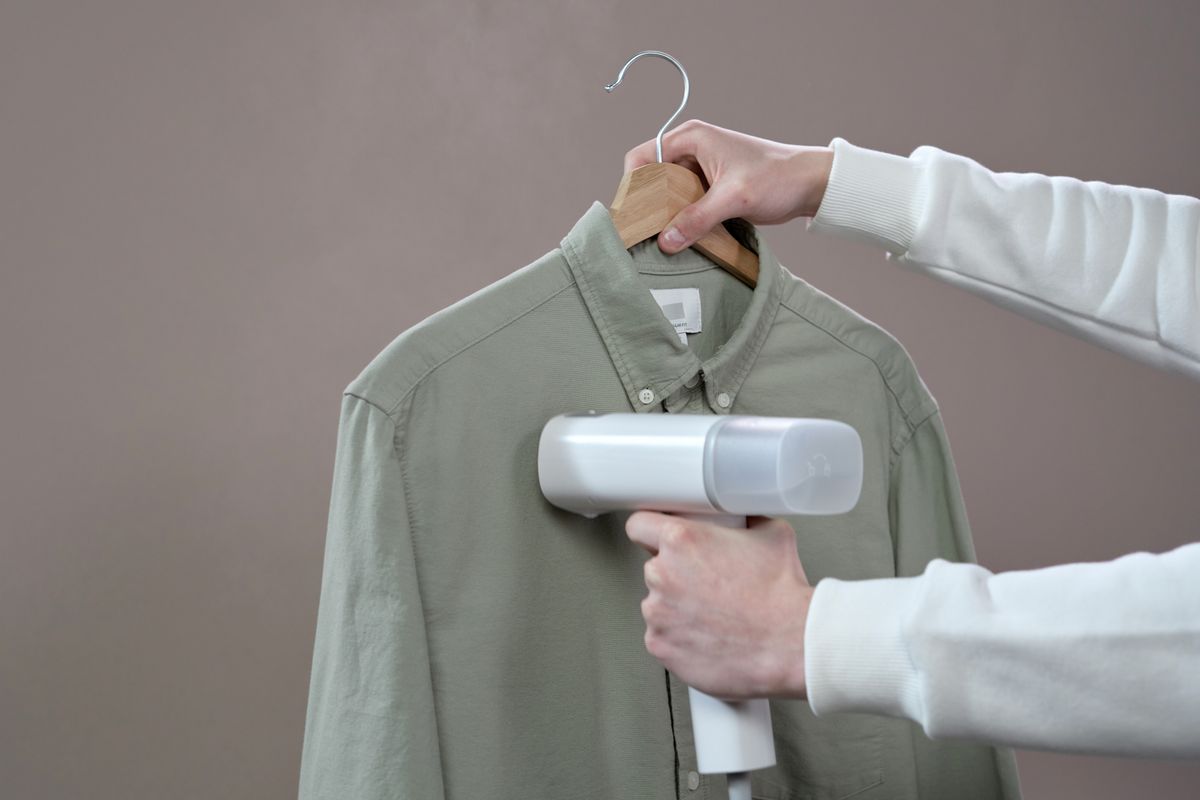
When wrinkles happen (and they will), reach for a steamer — not an iron.
A handheld garment steamer relaxes wrinkles by adding moisture to the fabric without pressing it flat. It's gentle on the fibers and won't leave shine marks or flatten the natural texture of the wool. You can steam a suit jacket in two to three minutes, and the results are just as good as pressing for everyday wrinkles.
For trousers, a steamer handles most wrinkles. If you need a sharp crease down the front of the pant leg, you can use an iron with a pressing cloth on a low setting — but do it carefully and sparingly.
How to Handle Stains Without Panicking
The moment something spills on your suit, your instinct is to rub it. Don't. Rubbing pushes the stain deeper into the fabric and can damage the weave. Instead, follow this process:
- Blot immediately. Use a clean cloth or napkin to gently press against the stain. Don't rub — just press and lift. This absorbs the liquid before it sets.
- Treat with cold water. For most food and drink spills, a cloth dampened with cold water will lift a surprising amount of the stain. Dab gently from the outside of the stain inward so you don't spread it.
- Use a spot cleaner for stubborn stains. A small amount of mild stain remover designed for wool (check the label) can handle wine, sauce, or grease. Test it on an inside seam first to make sure it doesn't affect the color.
- Take it to a professional for serious stains. Red wine, ink, and oil-based stains are hard to remove at home without risking damage. A good dry cleaner who specializes in suits can usually get these out.
The faster you treat a stain, the easier it comes out. A coffee stain treated within the first hour is almost always removable. That same stain left for a week? It might be permanent. If you can't treat it immediately, at least blot it and get to it as soon as you can.
Proper Storage: Seasonal and Long-Term

Everyday Storage
Your closet setup matters more than you think. Suits need space. If your jackets are crammed together so tightly that they're pressing against each other, the fabric will develop permanent creases and the shoulders will get pushed out of shape. Leave at least two inches of space between each suit.
Keep your closet dry. Moisture leads to mildew, which can permanently damage and stain fabric. If your closet tends to be humid, a small dehumidifier or some cedar blocks will help. Cedar also naturally repels moths, which are the other major threat to wool suits in storage.
Seasonal Storage
If you have suits you only wear part of the year — heavy wool suits in winter, lighter blends in summer — store the off-season suits properly:
- Dry clean them before storing (this is one of the good times to dry clean — you don't want to store a suit with body oils or food residue that can attract moths or set stains)
- Use a breathable garment bag — never plastic, which traps moisture and causes yellowing
- Store in a cool, dry place away from direct sunlight
- Add cedar blocks or lavender sachets to repel moths naturally
When to Visit a Tailor (It's Not Just for New Suits)

Most people only think about tailoring when they buy a new suit. But a good tailor is also your best friend for maintaining suits you already own.
Over time, your body changes — and so do your suits. Weight fluctuations, fabric stretching, and general wear can alter how a suit fits. A quick visit to a tailor every year or two can address small issues before they become big ones: taking in or letting out the waist on trousers, adjusting sleeve length, re-hemming pants that have started to fray at the bottom, or reinforcing a pocket that's starting to tear.
These minor repairs are inexpensive (usually $15–$40 each) and add years to a suit's usable life. A suit with a slightly frayed cuff or a loose button looks neglected. That same suit with a fresh hem and new buttons looks like it just came off the rack.
The Quick-Reference Suit Care Checklist
- ✔ Hang on a proper wide hanger immediately after wearing
- ✔ Brush with a garment brush after each wear
- ✔ Let it air out for 24 hours before putting it back in the closet
- ✔ Rotate suits — never wear the same one two days in a row
- ✔ Steam wrinkles instead of ironing
- ✔ Blot stains immediately — never rub
- ✔ Dry clean only 2–3 times per year
- ✔ Store in breathable garment bags, never plastic
- ✔ Use cedar blocks to repel moths
- ✔ Visit a tailor once a year for minor repairs and adjustments
Invest in Suits Worth Caring For
Quality fabric and construction make suit care easier — and the results last longer. Explore our wool, cashmere, and wool-blend collections built to stand the test of time.
Shop All SuitsThree locations: Hollywood · Torrance · Westminster
Frequently Asked Questions
How often should you dry clean a suit?
Two to three times per year is ideal for most suits. Dry clean at the end of each season or when there's a stain you can't spot-treat at home. Over-cleaning with chemical solvents is one of the fastest ways to wear out suit fabric.
Can you wash a suit at home?
Most wool suits should not be machine washed — the agitation and heat can shrink the fabric and ruin the construction. Some unstructured suits made from cotton or synthetic blends may be hand-washable (check the care label), but for traditional wool suits, stick to spot-cleaning, steaming, and occasional dry cleaning.
How do you get wrinkles out of a suit without an iron?
A handheld garment steamer is the best option. Hold it a few inches from the fabric and let the steam relax the wrinkles. You can also hang the suit in your bathroom while you take a hot shower — the steam from the shower will help release light wrinkles naturally.
What kind of hanger should I use for suits?
Use a wide, contoured wooden or padded hanger that matches your shoulder width. Avoid thin wire hangers or plastic hangers, which create pressure points that distort the jacket shoulders over time. Cedar hangers are a great option because they also help repel moths.
How do you remove moth holes from a suit?
Unfortunately, moth holes can't be fully reversed at home. A skilled tailor can do invisible reweaving on small holes, which makes them nearly undetectable. For prevention, store suits with cedar blocks and make sure they're clean before long-term storage — moths are attracted to body oils and food residue on fabric.
How long does a good suit last?
With proper care, a well-made wool suit can last 10 to 15 years or more. The key factors are fabric quality, construction (full canvas or half canvas lasts longer than fused), and how you maintain it — proper hanging, brushing, rotation, and minimal dry cleaning all extend the life significantly.
Is it bad to wear the same suit every day?
Yes. Wearing the same suit every day without giving it time to rest between wears breaks down the fibers much faster. The fabric needs at least 24 hours to release moisture and return to its natural shape. If you wear suits daily, aim to have at least three in rotation.